



Short summary
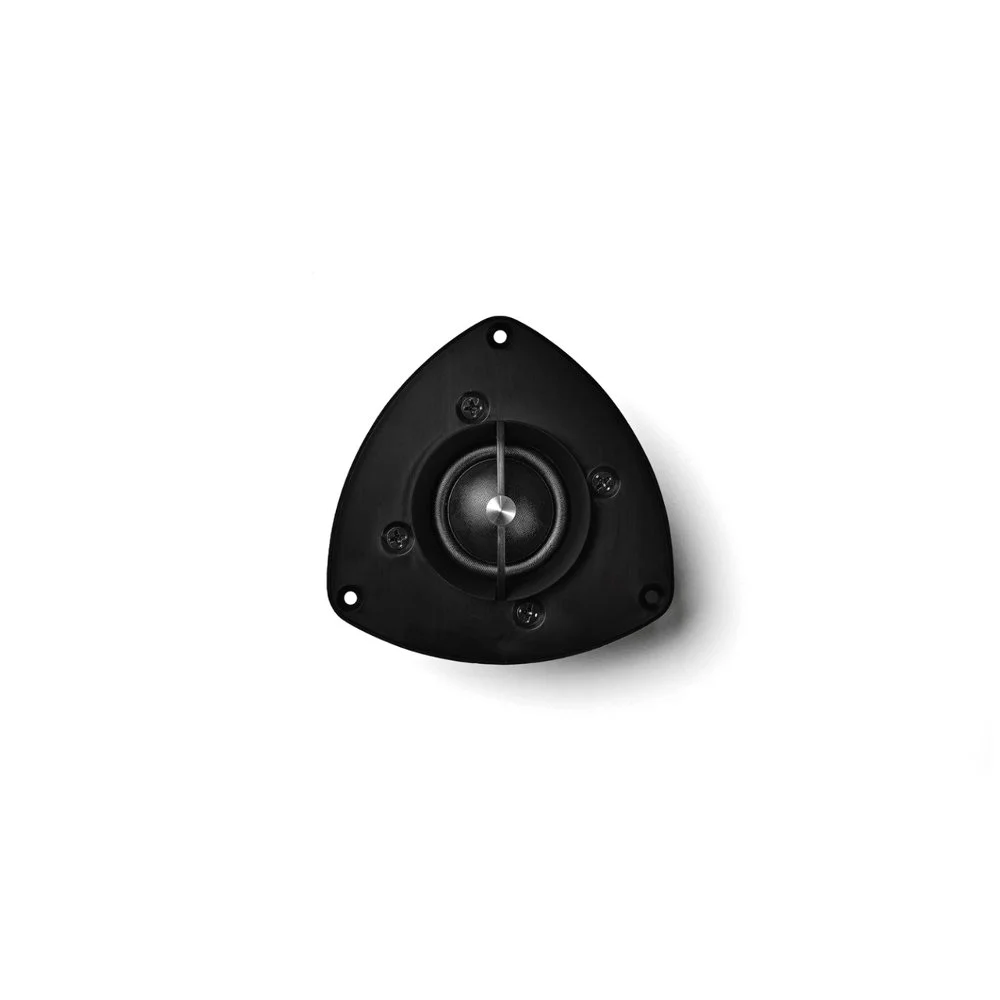
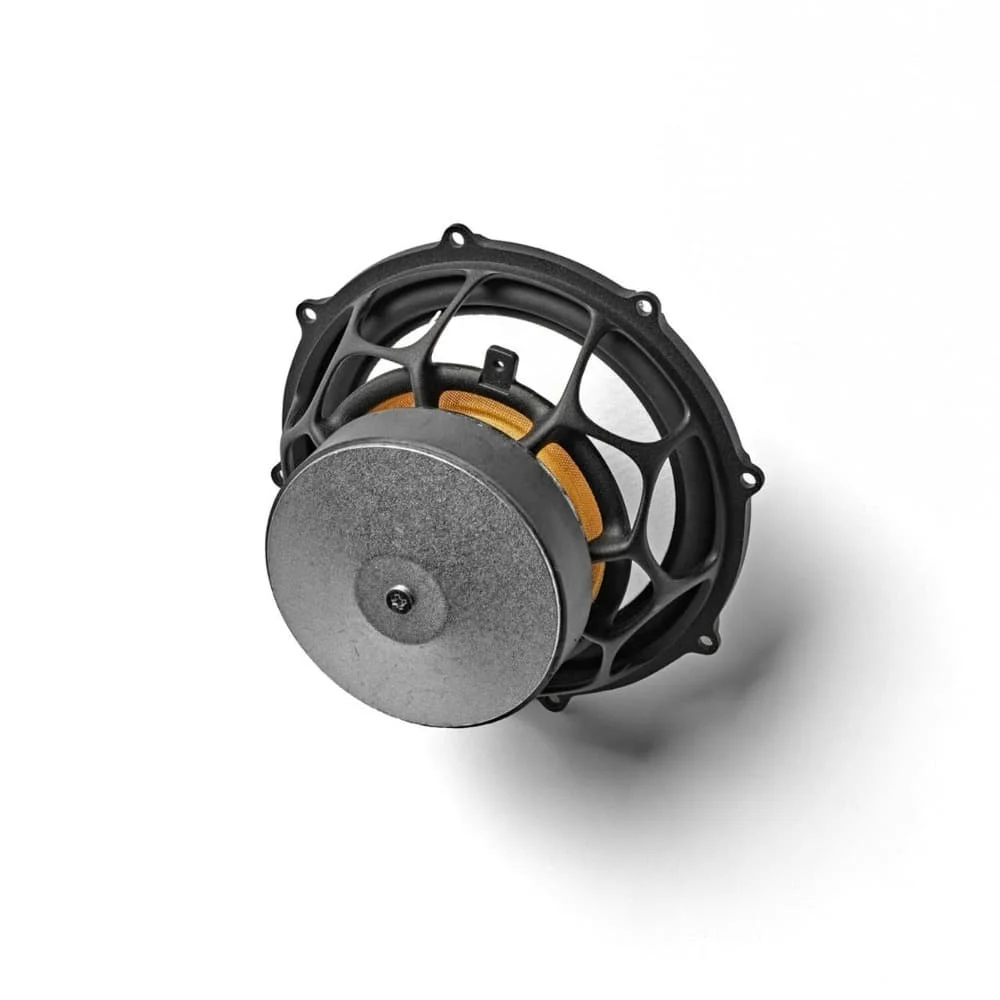
A bookshelf speaker reflecting Italian tradition and artistry, with the iconic lute shape for control over resonances. Organic baskets and Intono technology ensure pristine sound, while DAD technology extends response beyond 30kHz for clarity.
Key info
- Bookshelf speakers w/ the iconic lute shape
- Lute form controls internal resonances
- Organic die-cast baskets
- Intono technology reduces distortion
- Optimised reflex ducts improve airflow
- DAD tweeter w/ a copper cup
- Response extending beyond 30kHz
- Italian craftsmanship throughout
Specifications
| Weight | 10.4 kg |
| Dimensions (HxWxD) | 414 x 227 x 355 mm |
| Recommended Amplifier Power | 30 W – 200 W |
| Sensitivity | 87 dB SPL (2.83 V/1 m) |
| Impedance | 4 Ω |
| Crossover frequency | 3100Hz |
| Frequency Response | 42 Hz – 40,000 Hz |
Description
Compare The Range
Sonus faber’s Sonetto G2 standmounts, side by side. Here is the Sonetto II G2 alongside the smaller Sonetto I G2 and their specifications, showing what your money buys.
|
Sonetto I G2
|
Sonetto II G2
This model
|
|
|---|---|---|
| Price | £2,125 | £2,675 |
| Frequency Responce | 52 Hz – 40.000 Hz | 42 Hz – 40,000 Hz |
| Sensitivity | 86 dB SPL (2.83 V/1m) | 87 dB SPL (2.83 V/1 m) |
| Recommended Amplifier Power | 30 W – 150 W | 30 W – 200 W |
| Impedance | 4 Ohm | 4 Ω |
| Dimensions (HxWxD) | 377 x 200 x 304 mm / each | 414 x 227 x 355 mm |
| Weight | 8,4 kg / each | 10.4 kg |
The long read.
The Sonetto II G2 is the larger of Sonus faber’s two second-generation standmounts, and it takes everything the Sonetto I does and gives it more room to work. The tweeter is the same Arrow Point silk dome used throughout the G2 range, but the midwoofer grows to 6.5 inches, which buys genuine low-end weight rather than the impression of it. Like the rest of the G2 generation, it borrows technology developed for the flagship Suprema, and Sonus faber’s own figures point to a considerably wider soundstage and deeper bass than the G1 speaker it replaces.
Brief product overview
A two-way, front-vented standmount with a 1.1-inch DAD Arrow Point extended-frequency silk dome tweeter, using a copper shorting ring, and a single 6.5-inch midwoofer with an aluminium demodulation ring, crossing over at 3,100Hz. Frequency response runs from 42Hz to 40kHz, sensitivity is 87dB and nominal impedance is 4 ohms, with 30 to 200 watts recommended. The lute-shaped cabinet is built from wood, leather and a concrete element for resonance control, in gloss black, wenge or walnut finishes. A dedicated Sonetto stand with an aluminium frame and concrete base is available, shared with the Sonetto I G2. It weighs 10.4kg each and is made in Italy.
How it sounds
The Sonetto II G2 carries the liveliness and tonal richness that run through Sonus faber’s standmounts, with surprisingly powerful bass for a two-way of this size and the extra scale that the larger midwoofer buys over the Sonetto I. It resolves detail with the intense, emotional presentation Sonus faber aims for, and the crossover work at 3,100Hz keeps the transition between drivers clean through the upper midrange. At 87dB and 4 ohms it is a touch easier to drive than the Sonetto I, though it still rewards an amplifier with proper current behind it rather than the smallest ones on the market. It is a speaker equally at home in a two-channel system or as part of a Sonetto home theatre setup.
What we’d partner it with
The Hegel H190V is a strong match at this level: 150 watts into 8 ohms, stable into 2-ohm loads with a damping factor above 4,000, which is a genuine step up from the H150 and suits the Sonetto II’s larger cabinet and higher power ceiling. Streaming covers AirPlay, Roon Ready, Spotify Connect and UPnP, and its moving-magnet phono stage is scaled down from Hegel’s standalone V10 preamplifier rather than a token input.
For vinyl, that phono stage deserves a proper deck. The Rega Planar 6 fitted with the Nd5 is the natural partner: a Tancast 8 foam-core plinth, a hand-matched Neo Mk2 power supply and a dual-layer glass platter, with a cartridge whose fine line nude diamond stylus resolves considerably more than the entry Nd3. It runs straight into the H190V’s phono input with nothing else needed. As a Rega turntable it earths through its phono lead, so there is no ground wire to attach.
For stands, the dedicated Sonetto stand with its concrete base and anti-vibration mounting is worth the outlay, improving bass definition and imaging over a generic stand. On cabling, use a well-made speaker cable of appropriate gauge for the run; AudioQuest and Chord are the cable brands we stock.
Who shouldn’t buy it
If your room is smaller or your budget tighter, the Sonetto I G2 shares the same design language and much of the same character in a more compact cabinet for less. If you want a floorstander, the Sonetto III G2 is the entry point to that side of the range and needs no stands at all. And if your amplifier cannot deliver reasonable current into a 4-ohm load, the speaker will sound held back regardless of its wattage rating.
One loudspeaker, two complete systems. Here’s how we’d build around it.
The Streaming System
A Norwegian integrated with streaming and a reference-derived DAC, and nothing else needed.
The Analogue Extension
The same system with a turntable added, straight into the amplifier’s phono input.
Useful Notes
The Sonetto II G2’s front-firing port makes it tolerant of a wall behind it, so a shelf or a position close to the rear wall both work; the dedicated Sonetto stand improves bass definition further if you have room for it. Set the H190V up over the network, using a wired connection where you can, as software updates arrive over the air. For vinyl, connect the Planar 6 to the moving-magnet phono input and its earth to the ground post; the Neo Mk2 supply is hand-matched to its motor, so keep the two together.
User reviews


There are no reviews yet.
Leave a review